Back to »
Resolving Team Conflict Through Mediation
In this episode I talk to Malcom Currie from Strathesk about how to resolve workplace disputes through mediation.
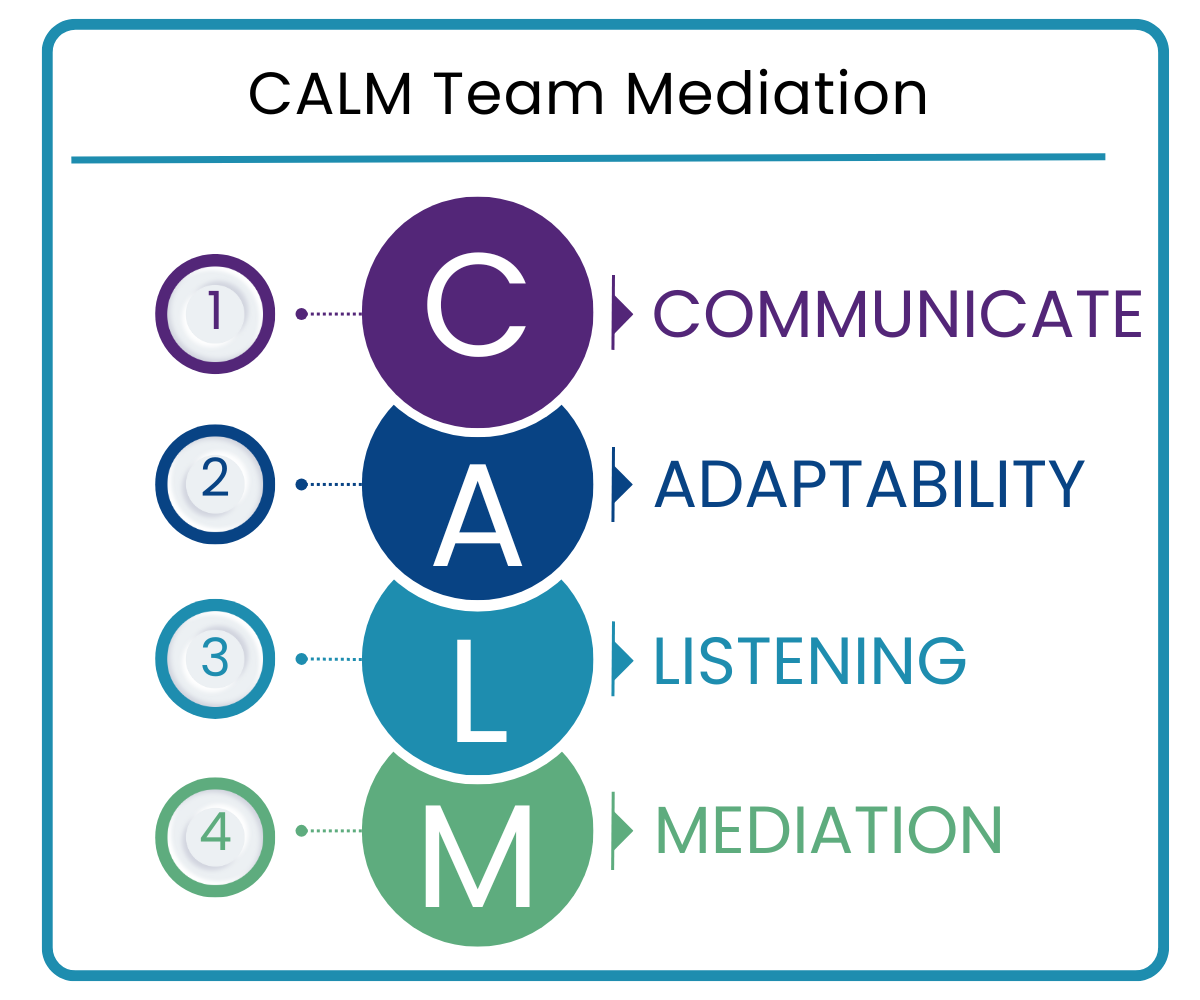
Malcolm shares his expertise on resolving workplace disputes before they damage your team. Discover how to establish productive communication between conflicting parties, help them adapt their perspectives, listen effectively to uncover real issues, and mediate conflicts to a lasting resolution.
Watch the episode
Video editing by Squinty Pixels. Slightly dodgy lighting & sound, TheIBG.
Get personalised insight and advice from Malcolm by taking our quick quiz.

Show notes
Section 1: Curiosity – understanding why disputes happen
When a dispute or difficult behaviour is happening in a team, where should a manager or business owner start?
Malcolm: I originally started with communication, but I kept coming back to the fact that what is most often missing is curiosity. There is a truism that however somebody is behaving, there is a reason why they are behaving that way. A really powerful starting point is simply being curious about what is going on in that person’s world that is causing them to behave in that particular way.
Malcolm: That question also reflects back on the person asking it, because it opens up the possibility that something you are doing, or not doing, may be contributing to the problem. You need to be curious about all of it. Starting with why is this happening is a much better place to begin than jumping straight to we need to stop this behaviour. The behaviour is usually a symptom, not the problem itself.
Shona: It also opens up the conversation about what someone is actually trying to achieve, or what their ideal outcome would be, which you might not know until you ask.
Malcolm: Absolutely, and many people will not have thought about that themselves. Part of the role when someone is behaving in a way that is causing problems is not just asking the question, but helping them reflect on why they are behaving that way. They may not know. I remember one situation where a person appeared to be coping fine, but when you talked it through with them, it turned out they were going through a divorce, selling their house, and facing an at-risk of redundancy process all at the same time. Any one of those they might have managed. Two, possibly. But the combination of all three was too much, and it was showing in how they were treating the people around them. Once you find what is driving the change in behaviour, you can actually start to address it. And as a manager, you also have to be genuinely open to the possibility that something you are doing or not doing is part of the cause.
Section 2: Adaptability – adjusting your approach to each person
When managing a dispute or helping people work through conflict, how important is it to adapt your approach, and what does that look like in practice?
Malcolm: People are individuals, and it does not matter how many staff you have or how well you know them. Each person will need to be handled in a way that suits them. Having the ability to adapt your approach makes a massive difference. Some people want you to get straight to the point with no preamble, just work out what needs to happen and move on. Others need time to get to know the person first, to have a bit of a conversation before getting into the substance. In a recent mediation I was working on, part of the conflict itself was rooted in those two different communication styles clashing. As the manager dealing with that, you need to adapt to each of them individually, and then work out how to help them start communicating with each other in a way that does not trigger the conflict again.
Malcolm: It is not about thinking outside the box. It is simply about thinking about the individual human being you are dealing with. Everyone has different drivers and different pressures. Being curious, as we just covered, gives you a lot of the information you need to know what to adapt to.
Shona: There is also a responsibility on individuals to be adaptable themselves, is there not? Fitting into a team is not about the team moving around you. You have to adapt to the team environment as well.
Malcolm: Yes, and this is especially true when team membership changes. Every time someone leaves and someone new comes in, it changes the dynamic of the team and everyone has to find the new balance point. Part of the skill for a manager is recognising that that rebalancing needs to happen and helping to facilitate it. A lot of it comes down to trust. People who have worked together for years have built up a high level of trust and know they can depend on each other. When someone new comes in, that trust is not there yet, and if you do not address that, small irritations and suspicions can grow into something much larger.
Malcolm: One of the most effective ways of building that trust is creating opportunities for people to get to know each other as human beings, not just as colleagues with an operational task in front of them. I worked with a company some years ago that was having a persistent problem with a trade union officer. Every meeting ended in an argument. When I asked them what they knew about this person, the answer was nothing. I suggested they start by getting to know them. A few months later they reported back that everything had turned around. They had simply started going for lunch together once a month, no agenda, just talking. Because they knew each other as people, they were able to disagree without it becoming a fight. When you know someone, it is much easier to say I do not agree with you and explain why, rather than having the other person experience it as an attack.
Section 3: Listening – hearing what is really being said
Listening sounds straightforward, but what does effective listening actually involve when you are trying to understand or resolve a dispute?
Malcolm: Listening is probably the most fundamental skill in negotiation, mediation, and general communication, and it is one of the most neglected. Everyone assumes they can listen. But are you listening? And if you are listening, are you actually hearing what is being said? That is an area I focus on heavily in all the training I do, whether it is around negotiation, mediation, or general management.
Malcolm: How people listen is fundamental to their ability to communicate. When someone says something to you, there is often something underneath it in the way they say it. What is the tone? What are their facial expressions? If someone says something sarcastically but you only read the words, you miss it entirely. That is why so much goes wrong in written communication. Someone makes a sardonic remark in an email and the person reading it takes genuine offence, when there was no offence intended at all.
Malcolm: Listening well also feeds directly into adaptability. You can hear in someone’s voice which things matter most to them and which things cause them discomfort. If someone has an emotional response to something, that tells you it is important to them. And that brings you straight back to curiosity: now you know something is significant, you want to understand why. Once you understand that, you can start making decisions about what to do with it.
Section 4: Mediation – bringing in structured support to resolve conflict
If curiosity, adaptability, and listening have not resolved the dispute, when does it make sense to bring in a more structured mediation process, and what does that look like?
Malcolm: One of the most important skills here is knowing when the time is right to get someone else involved. That might be someone internal who has been trained in mediation skills, or it might be an external independent person. Which you choose often depends on how connected anyone inside the organisation is to the situation or to the individuals involved. If a mediator is seen to have any conflict of interest, it undermines their ability to do the job. So sometimes you go internal, sometimes external.
Malcolm: The key principle is that the mediator is external to the dispute itself. They are a third party who manages the conversation between the people in conflict. That means the people in dispute do not need to focus on running the conversation. They just need to focus on identifying what they actually need and what they need from the other party, because something is not being met, and that is why the conflict exists. Sometimes it takes someone else to help you get there.
Shona: The mediator is not there to solve the problem for them, are they? They are there to help the people solve it themselves.
Malcolm: That is exactly it, and it matters enormously. If people arrive at a solution themselves, they own it. They are far more likely to stick to it. If someone comes in and tells them what they are going to do, there may be surface compliance but the underlying discontent often remains. A solution that people have reached themselves is one they can actually move forward from. And that is what a skilled mediator helps deliver.
Malcolm: I have worked with a number of employers over the years who automatically train anyone promoted into a management role in mediation skills. They are not becoming mediators, but they have the skillset to use. In organisations that went down that path, there was a significant drop in the number of disciplinary and grievance situations that needed to be escalated outside the management chain. I remember one where involvement in formal disputes dropped from roughly once a month to about once every two years, simply by giving managers the skills to resolve issues early.
Shona: That is remarkable, and I think it says a lot about how much potential conflict goes unresolved simply because managers do not have the tools to handle it.
Getting in touch
Shona: Thanks very much Malcolm. We have been talking about how to manage disputes within your team, covering curiosity, adaptability, listening, and mediation. If you want to get in touch with Malcolm for support with any disputes in your business, the website and LinkedIn links are below. And as with all our episodes, we will generate a quiz from this conversation so you can get bespoke advice based on your own situation.
Malcolm: Thank you. No problem at all.
Links

Do you have a question for our experts?
Submit your question here and if it fits with our current and planned content, we’ll find a supplier to answer your question via either our podcast or our blog.

Interested in being featured in our podcast or blogs?
We ask some of our expert suppliers, who we have carefully vetted, to provide expert advice via our podcast and our blog. If you would like to find out more about this we are inviting potential contributors to register your interest.