Back to »
Tired of expensive hiring mistakes?
In this episode I talk to Nik Plevan from eTalent about how to manage your hiring process.
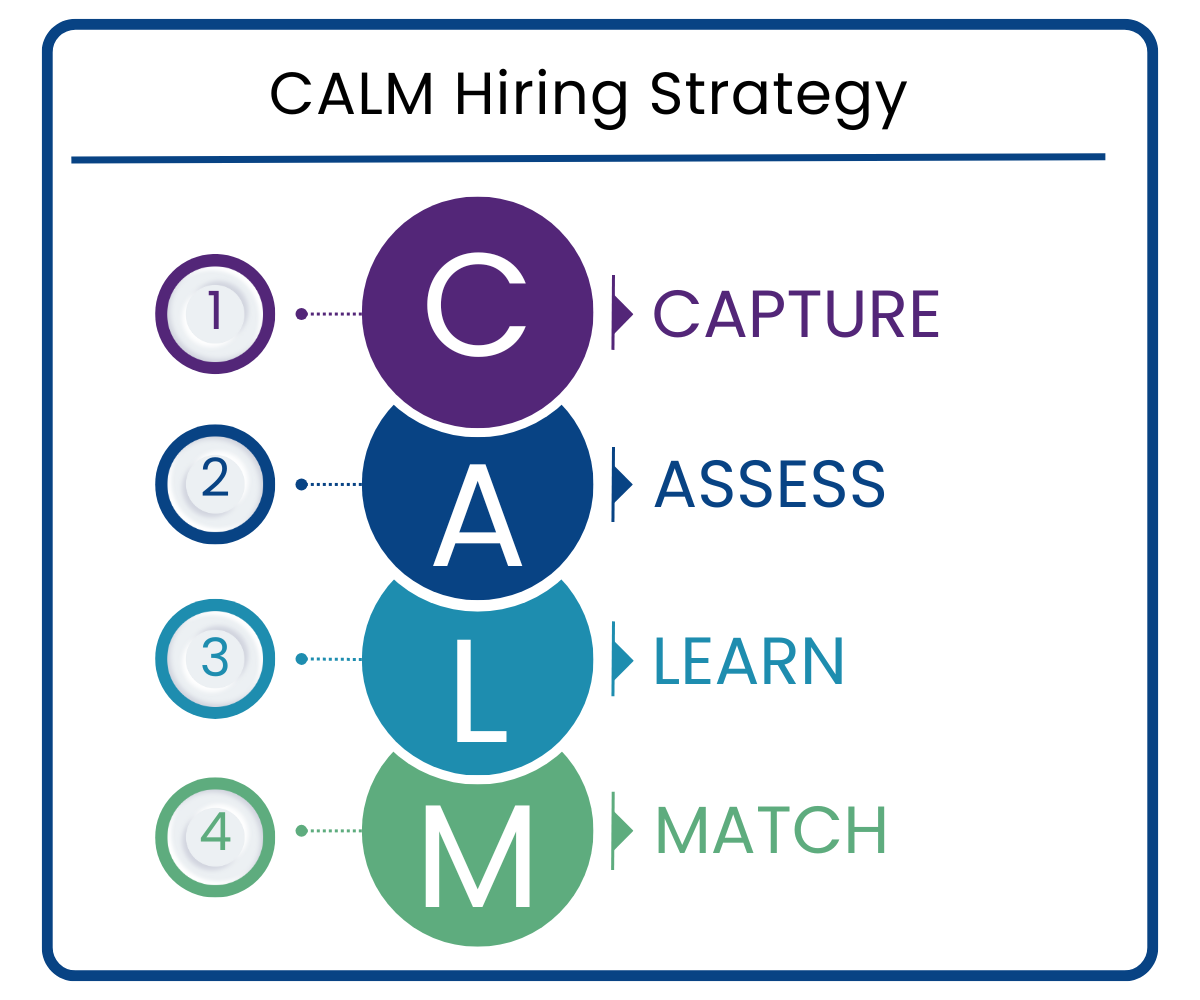
Nik shares how to avoid costly hiring mistakes by capturing the right candidates with effective adverts, assessing beyond CVs using behavioural insights, learning what truly motivates candidates, and matching them to your culture for long-term success.
Watch the episode
Video editing by Squinty Pixels. Slightly dodgy lighting & sound, TheIBG.
Get personalised insight and advice from Nik by taking our quick quiz.

Show notes
Section 1: Capture attention of candidates
What are the key things people should think about when putting a job advert out?
Nik: The most important thing to realise is that when you are advertising these days, you can’t make a listing stand out through design or layout. The only thing that works is making the job title something people will actually search for. If they don’t search for it, they won’t find it, and they can’t apply.
Nik: The second thing is making sure the advert is not all about what you want, but about what you’re offering. You want to attract people to come to you rather than go to the competition.
Nik: You also have to be transparent about salary. Saying "competitive" doesn’t cut it any more. People have no idea what that means. Using a range, such as £25,000 to £35,000, or £25,000 to £28,000 depending on experience, makes a real difference to the number of applicants you get. And if you can offer hybrid working or any extras that make the role slightly more attractive than the next employer, that matters too.
Shona: In terms of advertising platforms, your system gives access to all the main job boards. Is there a best strategy for getting the widest reach?
Nik: Go as wide as you can afford across as many job sites as possible. And then also advertise on social media, telling people where to go and how to apply.
Shona: And once you have candidates coming in, what are the key things to focus on at that stage?
Nik: Think of it as filling a funnel first. Once you have people in the funnel, you can start to narrow it down. It’s also worth including in the advert not just the practical tasks of the role, but the type of person you’re looking for. Highlighting the soft skills and the kind of environment they’ll be working in increases the likelihood of the right people applying.
Section 2: Assess candidates beyond the CV
CVs are increasingly unreliable, especially with candidates using AI to tailor them. What’s a better approach to screening?
Nik: I could talk about CVs for hours, especially now with AI. But even forgetting AI, the CV was never a great tool for the kind of recruitment we do today. With 50, 100, or 200 applicants for some roles, people tend to use AI to sift through CVs and identify the best candidates. But if past performance, education, and experience were predictive of future performance, that would be fine. The evidence shows it isn’t.
Nik: What you should be looking for at that first stage is not what’s in the CV, but whether the candidate meets the minimum requirements for the role. That can be done with simple questionnaires. By doing it that way, you’re not discarding people at the first hurdle based on a criterion that isn’t predictive. You can then use other methods in the next stage to assess whether they’re a good fit for both the job and the company.
Shona: And what does that next stage look like in terms of assessing personality and fit for the role?
Nik: Once you’ve confirmed the minimum requirements, you look at soft skills. Think back through your career to times when someone has had to leave a role. Was it because they couldn’t do the job, or was it because of a conflict, an argument with a customer, or something linked to their personality? I would argue it’s almost always the latter.
Nik: Take two examples. A Starbucks barista needs to be sociable, outgoing, customer-focused, and resilient. A maintenance engineer needs to be detail-focused, structured, and safety-conscious. Those are completely different profiles. Getting the right soft skills matched to the role is far more important than what’s on a CV. We’ve been using our software for 15 years and it’s proven to be highly predictive of identifying the right people.
Section 3: Learn what motivates your candidates
You use DISC profiling to understand candidates more deeply. How does that work and why does it matter?
Nik: We use DISC, and we’re also about to introduce motivators and values profiling, to give us a further insight into what gets candidates out of bed in the morning. If someone gets up and goes to do something they genuinely enjoy and love, it stops being a job. And if they love it, they’re going to do it better than someone who dreads going in. Because they enjoy it, they won’t leave. All of that leads to lower staff turnover and improved profitability.
Nik: Once you’ve confirmed the minimum requirements and identified the right soft skills, the behavioural profile tells you the kind of environment a candidate likes to work in, the kinds of behaviours they like to be around, and how to onboard, manage, and motivate them. It tells you whether they’ll fit the team. And it’s done through a simple assessment.
Shona: When you’re looking at behavioural insights, are you also looking at how a candidate fits with the rest of the existing team, or is that more the matching stage?
Nik: Both. When you understand someone’s behavioural preferences, you also understand the kind of team they’re likely to thrive in, and the kind of team they won’t. For example, if you have a strong introvert joining an office where everyone chats, jokes, and socialises, that person may last four weeks before walking out. If you have that information ahead of time, you can make a better decision. Getting it early is critical.
Section 4: Match candidates to your business
You have a shortlist of candidates and you’re moving to final selection. What’s the best approach to the interview stage?
Nik: We always suggest starting with a group interview of three or four candidates. That lets you see how they interact with others, how forthcoming they are, and how willing they are to share their opinions. Following that, one or more individual interviews with people in the company from the shortlist. And before you make a final offer, do background checks. Also make sure you have a contract of employment ready, or know someone who can provide one.
Shona: Is there anything else you’d want to cover as a key piece of advice?
Nik: Be responsive. When people apply, do not leave them waiting. If you can reply the same day, that’s great. If you can do it within an hour, better still. If you leave it two or three days, don’t be surprised if they’ve moved on or taken another role. Good candidates don’t hang about. We’ve seen it with clients who are hard to reach, and by the time they get back to us, the candidate is gone.
Shona: One last question on the platform itself. How does your approach help cut through the AI-generated CV problem?
Nik: It’s a real issue. Recruiters are using AI to screen CVs, and candidates are using AI to write CVs tailored to the job advert. So at the recruiter’s end, you get 50 CVs that are virtually indistinguishable from each other. It makes no sense. With our platform, candidates have to complete an assessment that takes 10 to 12 minutes. If they’re not willing to invest that time, that tells you something. It also means every applicant is genuinely interested in that specific role, because they can’t click-apply to ten jobs at once.
Shona: Thanks very much for joining me today Nik. We’ve been talking about how to avoid making an expensive hiring mistake and if you want to find out more about Nik’s platform, you can find it at etalent.net.
Links

Do you have a question for our experts?
Submit your question here and if it fits with our current and planned content, we’ll find a supplier to answer your question via either our podcast or our blog.

Interested in being featured in our podcast or blogs?
We ask some of our expert suppliers, who we have carefully vetted, to provide expert advice via our podcast and our blog. If you would like to find out more about this we are inviting potential contributors to register your interest.