Back to »
Are your sales & marketing teams working together?
In this episode I talk to Gordon Ross from GR23 Marketing and we cover how to ensure your sales and marketing teams are aligned and working towards a collective objective.
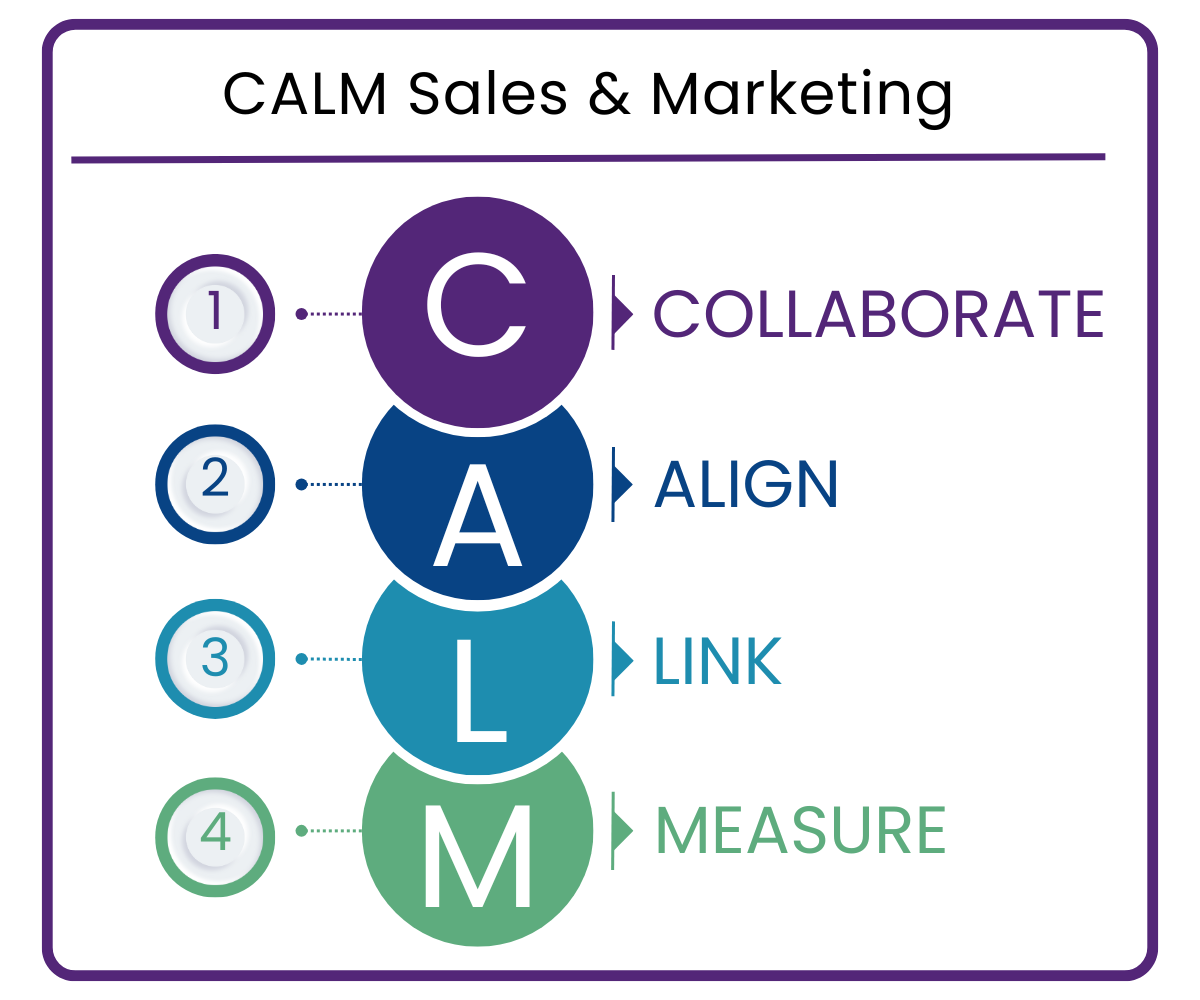
Gordon shares his expertise on bringing sales and marketing teams together. He provides advice on getting teams collaborating, aligning strategies and goals, linking processes, and measuring results.
Watch the episode
Video editing by Squinty Pixels. Slightly dodgy lighting & sound, TheIBG.
Get personalised insight and advice from Gordon by taking our quick quiz.

Show notes
Section 1: Collaboration – getting sales and marketing working together
When sales and marketing are operating in silos and getting frustrated with each other, what does real collaboration between the two functions look like and how do you build it?
Gordon: Sales and marketing can drift apart quite naturally, and it’s usually not because anyone is doing a bad job. In an SME, the sales team will often grow much more quickly in headcount than the marketing team. So it’s important that the marketing person makes themselves visible and present with the wider sales function, and acts as the driver of collaboration.
Gordon: Sales teams are on the front line every day. They are hearing the objections, understanding the urgency, and feeling the pressure to close deals. Marketing teams are more focused on positioning, messaging, campaign structure, and creating future demand. Both are valuable. But if the insights from the front line are not being shared between the two functions, collaboration is not really happening. What you often see is sales chasing one type of customer while marketing is attracting a slightly different type, and nobody is joining the dots. Marketing feels they are delivering leads at scale. Sales feels those leads are not ready to buy or not the right fit. It’s not laziness. It’s a lack of alignment and collaboration.
Gordon: Real collaboration starts when communication between the two functions becomes part of how they operate. There are three places to start, and I think marketing should take the lead on all of them. First, establish a simple, consistent cadence. A weekly 30-minute check-in between sales and marketing, not a status update, but an insight-sharing session. What are prospects asking right now? What objections keep coming up? Which messages are landing and which are falling flat? What are competitors doing? Those conversations are important. Second, create shared spaces, whether that is a Slack channel, a Teams channel, or a shared board, somewhere that makes collaboration happen day in, day out without feeling forced. Third, and one of the most powerful things a marketing team can do, is join sales calls. Hearing those front-line conversations first hand changes how you think about your messaging almost overnight. You start to really understand the challenges your sales team are facing. When all of that starts to click, you move away from sales versus marketing towards a genuinely collaborative mindset. The result is that your campaigns, your messaging, your sales assets, and your product guides all start to speak the same language, and you start attracting the right customers.
Section 2: Alignment – getting both teams working towards the same goals
Once the teams are collaborating, how do you make sure they have the same priorities and are measuring success in the same way?
Gordon: The starting point is a shared definition of what success looks like. If sales and marketing are measuring good outcomes differently, alignment is very hard to achieve. You see it all the time. Marketing celebrates generating hundreds of leads. Sales looks at that same list and thinks only a handful are ready to buy or fit the ideal customer profile. Nobody is at fault, but it is a lack of alignment on what the campaigns are actually trying to achieve.
Gordon: To get that alignment, both teams need to agree upfront on a few things. What are any campaigns trying to achieve? What does a good lead actually look like? What customers are you trying to attract? What qualifies someone as worth a salesperson’s time? And who owns that customer at each stage of their buying journey? If sales and marketing have not jointly defined those things, they will naturally pull in slightly different directions.
Gordon: There are three practical ways to get there. First, define together what counts as a qualified lead. When does a marketing qualified lead convert to a sales qualified lead? That gives marketing clarity on how much nurturing to do before handing over, and gives sales the opportunity to speak with prospects who already have a good understanding of the product or service. Second, identify shared KPIs alongside individual ones. Things like time to close a deal and revenue growth, rather than each team only measuring their own siloed metrics. Third, run a joint monthly review, which is different from the weekly insight-sharing session. This is where sales and marketing jointly look at campaign performance, discuss shared targets like time to close and revenue contribution, and keep performance front of mind for everyone. When alignment works well, both sides understand how they each contribute to growth, and they understand the wider buyer journey they are both trying to influence.
Shona: I suppose the different buying cycle timelines can cause friction too, where people have different expectations about how long it takes someone to convert?
Gordon: Absolutely, and that is another reason why collaboration matters so much. It should not be that a lead gets thrown over the fence from marketing to sales and marketing never sees it again. Marketing should continue to work with the sales team to nurture those leads through whatever stage they are at. In B2B, a buying cycle can easily be six, twelve, or eighteen months. It is about keeping your business and your product front of mind with that buyer throughout that whole period.
Section 3: Linking – connecting your systems and processes
Once the teams are aligned, how do you get them working together in a practical, functional way through shared systems and processes?
Gordon: There are two things there: systems and processes. Both need to overlap, and getting those key infrastructure elements right is what allows collaboration to actually happen day to day.
Gordon: From a systems perspective, a shared CRM is essential. Whether that is HubSpot, Pipedrive, or another solution, both sales and marketing need to be actively using it. It does not need to be complex, especially in smaller teams, but it does need to connect the activity happening in marketing to the outcomes the sales team are working towards. Marketing needs to see what happens after a lead comes in. Sales needs to see where a lead came from and why. When leads are tagged by campaign source in the CRM, the conversation changes entirely. Marketing can see that 50 leads came in, 15 became opportunities, and five closed, generating a measurable return from that campaign. Without that, you are guessing, and those collaborative conversations become much harder to have with any confidence.
Gordon: Process is equally important. Marketing should not just live at the top of the funnel. The best teams map the full customer journey, from the first campaign touchpoint through nurturing, sales conversations, onboarding, and into renewals. At each stage, the question marketing needs to ask is: what does sales need here to move this lead forward? It might be case studies, ROI tools, or customer proof points, all aligned to where the buyer actually is in their journey.
Gordon: From the sales side, the businesses I’ve worked with that get this right have a simple, clear process for when a new lead lands. The salesperson knows exactly what to do and knows what marketing will provide to help them move it forward. Speed of response matters, but so does having the right materials ready. And one of the simplest, most effective things you can do is give sales an easy way to feed back on lead quality in the CRM. Tagging a lead as a great fit, wrong company size, not the decision maker, or not the right time gives marketing the information it needs to improve current and future campaigns. When the right systems and the right processes are linked up, collaboration becomes natural rather than something you have to force.
Section 4: Measure – tracking the right metrics together
What should sales and marketing teams actually be measuring together, and how do you move beyond individual team metrics to shared ones?
Gordon: If success is measured solely on posts published, emails sent, calls made, or articles written, those are not bad things to track, but they do not tell you whether the business is actually moving forward or growing. Activity matters, but activity on its own is not enough.
Gordon: From a marketing perspective, it is not just about lead volume. It is about qualified leads generated, lead to opportunity conversion rates at different points in the journey, campaign ROI, and marketing’s contribution to pipeline. From a sales perspective, it is opportunity to close rates, deal size, and win rate, depending on the business.
Gordon: But the real power comes when you look at the shared metrics. Can you both work together to shorten the sales cycle? That is a significant win. Can you increase revenue, lower the cost of acquiring a customer, or drive lifetime value? When you track those shared metrics, the conversation stops being about what sales are doing versus what marketing are doing, and becomes about how we are working together to grow this business. Marketing should not be judged on leads alone, and sales should not be judged without context around the quality of those leads and how they came in.
Gordon: The strongest teams track the full buyer journey together, from first touch through to marketing qualified lead, sales qualified lead, closed won, and closed lost. There is always a lot to learn from the deals you lose. And right through to retention and expansion across your wider products or services. When you do that, you get better decisions, higher quality deals, shorter sales cycles, and a sales and marketing team that genuinely wants to collaborate rather than spending time frustrated about how the other side is working.
Shona: It must be really rewarding when you go into a business where there is friction between the teams and you manage to bring them together and see things working well.
Gordon: It is. And sometimes it just takes someone external coming in to take a step back and look at what is actually happening. One of the first things I do in any new business is understand what the relationship between sales and marketing looks like, and then help the sales team understand what marketing is actually there to do and what it is trying to deliver for them. Once salespeople understand that marketing is a commercial function, not just there to make the brand look nice, things can shift pretty quickly.
Getting in touch
Shona: Thanks so much Gordon. We’ve been talking about how to break down the silos between sales and marketing across four areas: collaboration, alignment, linking your systems and processes, and measuring what matters. If you want to get in touch with Gordon, LinkedIn is the best place to find him. And as always, we will generate a quiz from this conversation so you can do a self-assessment and get practical advice based on where your business is right now.
Gordon: Happy to hear from anyone who wants to chat more about that. Thanks Shona.
Links

Do you have a question for our experts?
Submit your question here and if it fits with our current and planned content, we’ll find a supplier to answer your question via either our podcast or our blog.

Interested in being featured in our podcast or blogs?
We ask some of our expert suppliers, who we have carefully vetted, to provide expert advice via our podcast and our blog. If you would like to find out more about this we are inviting potential contributors to register your interest.