Back to »
Still winging it when it comes to sales?
In this episode I talk to Anna Payne about how to develop a consistent approach to your sales activities.
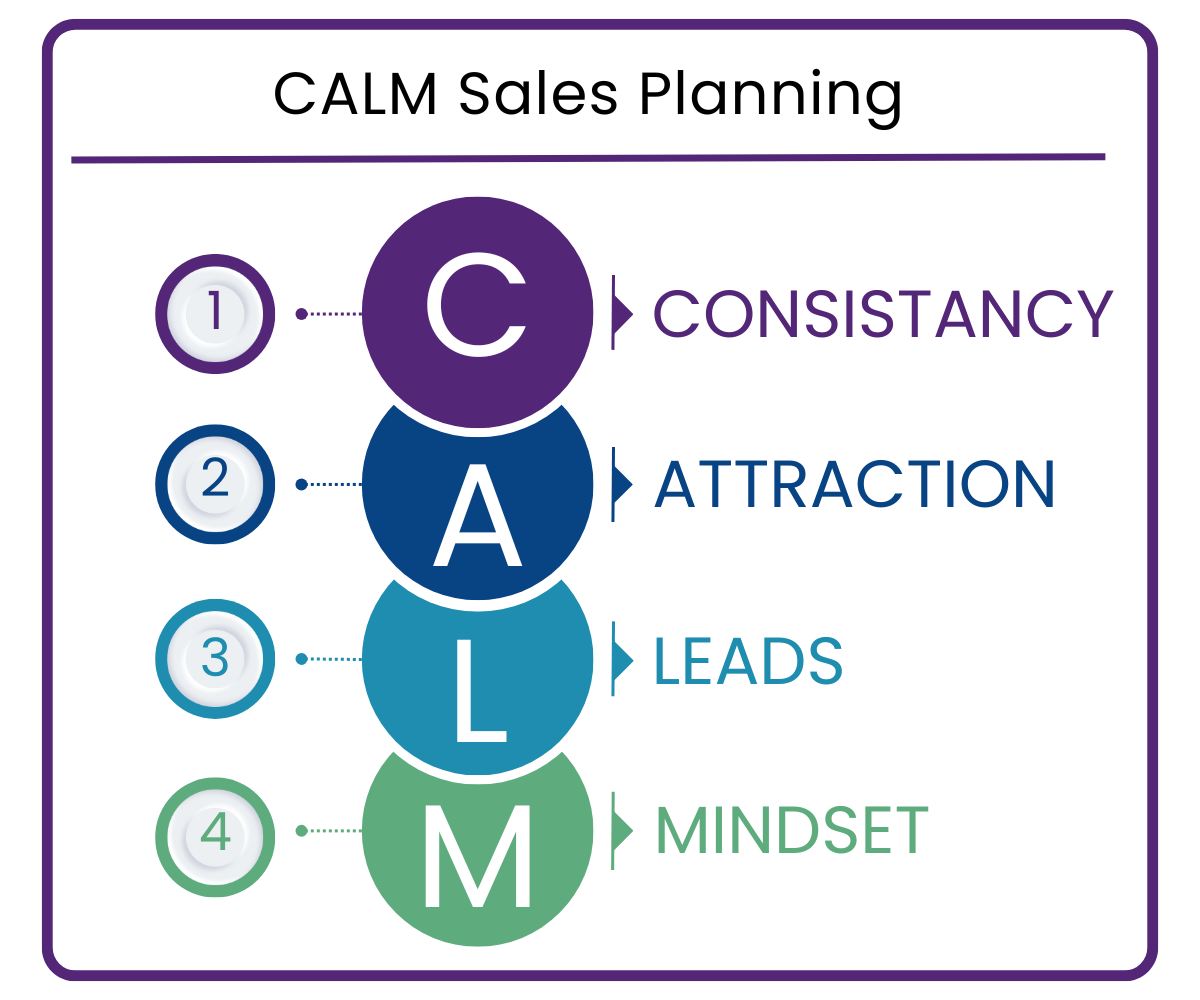
Anna shares her insights on ensuring a consistent approach to sales, attracting your ideal customers, managing your leads, and mastering your sales mindset to drive success.
Watch the episode
Video editing by Squinty Pixels. Slightly dodgy lighting & sound, TheIBG.
Get personalised insight and advice from Anna by taking our quick quiz.

Show notes
Section 1: Consistency in your sales approach
Consistency is one of your key principles. Why does it matter so much, and what does it look like in practice?
Anna: Consistency is such a boring word. For most of us as entrepreneurs, we are driven by novelty, dopamine, and instant gratification. The idea of consistency feels like, I didn’t leave my corporate career to be consistent. But when it comes to sales and business, the exciting results come from boring consistency. Your excitement doesn’t come from doing new things. It comes from the results you actually create.
Anna: The biggest problem I see is that entrepreneurs just are not consistent enough with their sales. They go boom and bust. When things are quiet and the pipeline looks dry, they go on a huge push, sell hard, get clients in, get the money, ease off, and then three or six months later they’re back in that bust part of the cycle. They’ve delivered all that work, done no sales or marketing in the meantime, and they have to start again. That rollercoaster is not a nice place to be.
Anna: I talk about sales fitness. If you want to be physically fit, you need 150 minutes a week of cardiovascular activity, roughly five 30-minute sessions. I believe the same applies to sales. I call it Sales First, making the first hour of every day about income-generating tasks. It works because you’re fresh, and even if urgent things land in your inbox, you can deal with them at 9.30 or 10 in the morning. That’s still a good time. But if you keep pushing sales to later in the day, it just disappears.
Anna: For me, that looks like an hour a day, three times a week as a minimum. If I’m on a push, I’ll do five times a week or stretch it to 90 minutes. For others it might be 30 minutes five times a week. You pick what is right for you. But the principle is the same: prioritise it before anything else.
Shona: And what happens when people try it and hit that initial resistance?
Anna: Expect it. In the first week or two there will be resistance. You’ll find all the reasons not to do it. Push through anyway. By the end of week one you’ll have made some progress. By the end of week two there will be additional money in your business as a result of that activity. By the end of 30, 60, 90 days it becomes a habit that is ingrained. I’m now at the point where if I’m doing something else at nine in the morning, I feel uncomfortable. It’s become automatic.
Section 2: Attraction – attracting your ideal clients
Once you have that consistent sales activity in place, how do you make sure you are attracting the right clients?
Anna: A lot of people think about sales as chasing buyers, convincing them, or persuading them to buy. Good selling is not about that. Good selling is about attracting people to you. People buy solutions. They buy transformations. They buy a promise or a belief that something can be better for them. 95% of all buying decisions are rooted in emotion. That comes from a Harvard study. So you have to understand the emotional journey for your client. What do they want? What are you helping them achieve, resolve, or feel?
Anna: People are not buying the features or the deliverables or the thing itself. They are buying what they believe it is going to mean for them. So a common mistake I see is coaches listing what’s included, six sessions, a workbook, access to recordings, WhatsApp support. Nobody cares about that list until you’ve hooked them with the answer to the question: how is this going to make my life better? You need to articulate value in terms of benefits, outcomes, and transformations, not a shopping list.
Shona: And is it just emotion, or are there other psychological triggers?
Anna: Emotion is first, but after that comes logic. Some people will buy on emotion alone. Most will then want the detail: what is it, who is it for, who is it by, can I trust this person, what’s included. That’s enough for a lot of people. But the third trigger is urgency. Give people a reason to buy now. If you are thinking about attracting buyers, it really comes down to understanding what is going on for them psychologically so you can communicate your value in a way that lands.
Section 3: Leads – managing your leads
Once you have a process for attracting clients, how should businesses think about managing their leads?
Anna: All of your success, your sales, your impact, and your income comes downstream from having leads. You need a way to bring leads in consistently, and then a way to nurture and convert them. Those are the two big problems I see. Most businesses are not attracting enough leads consistently. They are leaving it to chance, waiting for referrals, waiting to be found. You can be more proactive than that.
Anna: But the second problem is that people need to be sold to. Not everyone who sees what you offer will immediately say send me the invoice. You need to create that opportunity and make the sale. Sometimes people say they just need more leads, but when I audit their business with them, they’ve got a block in the middle of their customer journey. There are people who have already expressed interest and have not been converted yet. What’s the point in bringing new cold people in at the start when you haven’t worked the warm ones you already have?
Shona: You have a leads tracker on your website that people can use. Can you tell us a bit more about that?
Anna: There are two free resources on my website. There’s 65 ideas to generate more leads, which I don’t suggest people use all at once, but to pick the two or three strategies that are right for them. And there’s a leads tracker so you can capture leads and follow their progress. Some people will buy straight away. Some will take three, six, or twelve months to become a client. The tracker helps you maximise the value of every lead you generate and see where people are getting stuck in your process.
Section 4: Mindset – your sales mindset
Even with a solid plan and the right tools, mindset holds a lot of people back. What are the biggest mindset barriers you see, and how do people get past them?
Anna: You can have the best sales plan, the biggest goals, and the best strategy in the world, but if you don’t believe that showing up to sell is a positive, good thing to do, you will always fall down. You won’t be consistent, you won’t execute, and you’ll hold back. A lot of entrepreneurs believe that selling is somehow being a nuisance or a pest. They think it’s embarrassing, pushy, or desperate. And when your brain tells you something is difficult or dangerous, you put the brakes on.
Anna: Selling is part of your job. You can be the best in the world at what you do and care deeply about your clients, but if you cannot create opportunities for sales, your business is not going anywhere. For all of us, selling is non-negotiable. But it doesn’t have to feel sleazy. When you’re good at what you do and you care about your clients, sales should feel like a win-win. It’s talking about what you care about, helping the right people find you, and making it easy for them to buy from you.
Shona: What about the fear of following up? That seems to be where a lot of people get stuck.
Anna: When I tell people to follow up and ask if their client has made a decision, the fear is: what if they think I’m being pushy? Then they do it, and they find their client is genuinely grateful. The client had a question, or they were ready to go ahead but needed one more conversation. They get back a signed contract and a paid invoice. That positive reward makes them more likely to follow up again. And then again. And gradually they realise: this isn’t sleazy. This is just good customer service.
Anna: Confidence doesn’t just show up one day. It comes from taking action, from doing the things that feel a bit scary. Commit to doing it once. You get more competent, you get better, you start to feel more confident, and you do it more. Your growth happens at the edge of your comfort zone, so you have to keep pushing what that looks like for you and your business.
Getting in touch
Shona: Anna, where is the best place for people to find you and your resources?
Anna: You can find me on LinkedIn, Instagram, and Facebook as Anna Payne. On my website there is a page called the Everything Page. You’ll find the leads tracker we talked about, 65 ways to get more leads, and all my paid and free resources in one place. I also have a book, Everything You’ve Been Taught About Sales Is Wrong, which is available on Amazon in paperback and on Kindle. It covers how to sell in a way that feels authentic, human, and natural, with practical examples of what to say when doing follow-up and outreach.
Shona: Brilliant. Thank you so much for joining me today, Anna. We’ll pull a quiz together from this conversation and send it out to everyone who’s registered, with bespoke advice based on your answers.
Anna: Such a pleasure. Thanks for having me.
Links

Do you have a question for our experts?
Submit your question here and if it fits with our current and planned content, we’ll find a supplier to answer your question via either our podcast or our blog.

Interested in being featured in our podcast or blogs?
We ask some of our expert suppliers, who we have carefully vetted, to provide expert advice via our podcast and our blog. If you would like to find out more about this we are inviting potential contributors to register your interest.